Collecting from a crowd nobody invited by name
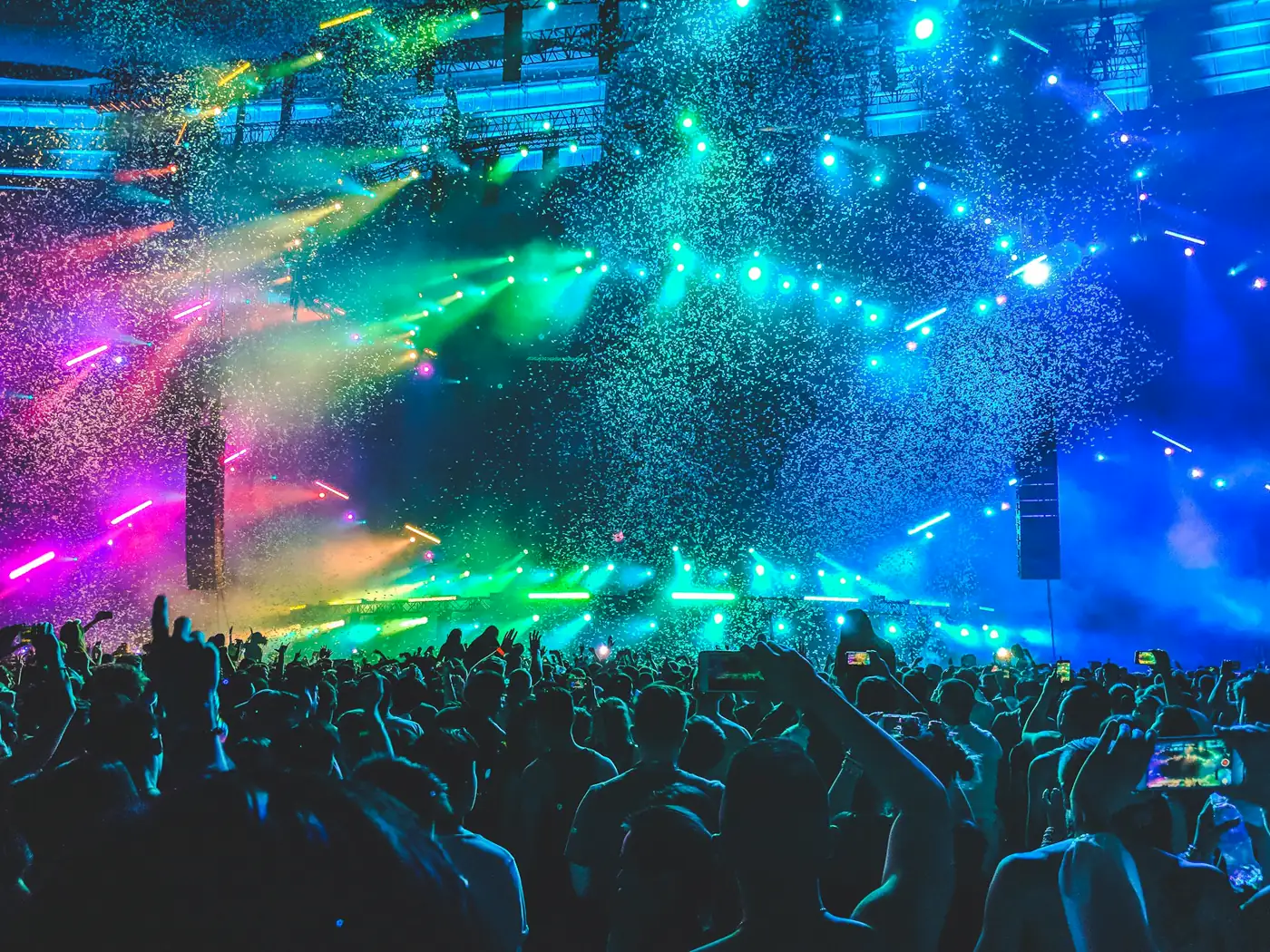
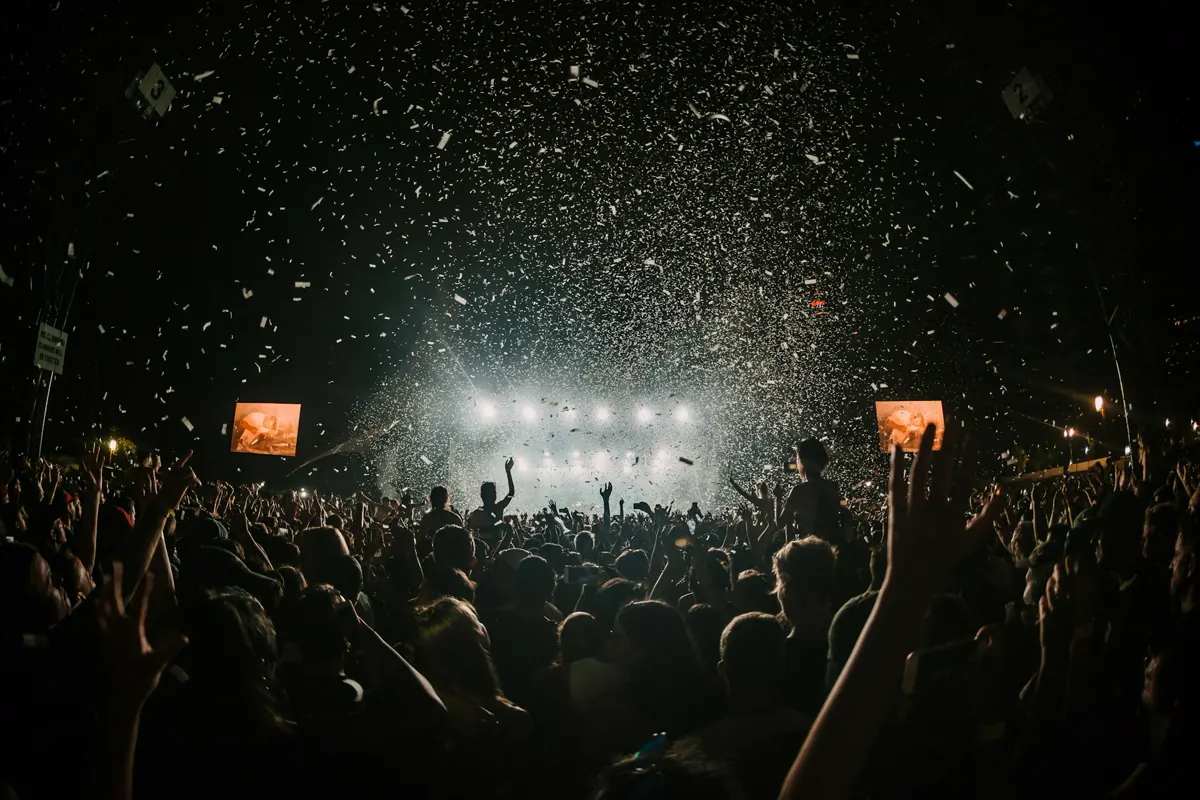
A festival audience is not a guest list. There is no table plan, nobody is handed a card at the door, and the people with the best photographs of the second stage are strangers to whoever is running the event.
What works at that scale is a code on the signage: the entrance boards, the stage flats, the bar, the programme. Somebody points a phone at it, the upload page opens in their browser, and they send what they shot. No account, no app, nothing to install while standing in a field with one bar of signal.
Each event is its own gallery. A festival run as three days of three events keeps three separate archives, each with its own code and its own settings.
Nothing publishes itself
Automatic publishing is the thing an organiser is right to be afraid of at this scale, and it is not what happens here. Publishing is a decision the event owner makes before the first upload, and it is a real choice with three answers rather than a switch that quietly defaults to open.
Keep the gallery to yourself, and the crowd can upload without ever seeing it. Hold every upload for approval, and nothing reaches the audience until somebody released it — the setting for a crowd rather than a room. Or, for a private crew gallery where everyone is known, let uploads appear for invited guests as they finish.
Only the third of those publishes without a further step, and choosing it is deliberate. There is no state in which the platform decides on your behalf.
Volume, moderation and where things go
Every upload carries a state. It arrives waiting, and moves to approved or turned down when somebody on the event decides. That queue is the whole moderation surface: one list, one decision each, and a gallery that shows only what came out of it approved.
Albums keep the archive usable once it stops being small. Backstage and crew in one, each stage in another, so an organiser looking for the Saturday headline is not scrolling through a day of crowd photographs. An album carries its own download and comment settings.
Storage is not unlimited, and we are not going to pretend it is. Every plan has an allowance and a limit on how many events can be open at once. Those numbers live on the pricing page, where they stay current.
Handing it over, and the fifteen-day clock
When it is over, access moves by link rather than by account. Share an album with a sponsor, a press contact or the production team, and they see what is behind that link and nothing else. Downloading is a per-event setting, on or off, with a watermark available where it is on.
That saving happens file by file today. The downloads screen lists archive jobs and their states, but nothing builds the archive yet, so the request button is disabled and says so instead of queueing work that would not finish.
The clock is the same as on every other event. Fifteen days open. On day fifteen access ends for the owner and for guests. Administrators can reach the content until day thirty for recovery, security and support. On day thirty it is permanently deleted, and nobody can undo that.